Evaluating Minimalist Botanical Leaf Clipart for Design Projects
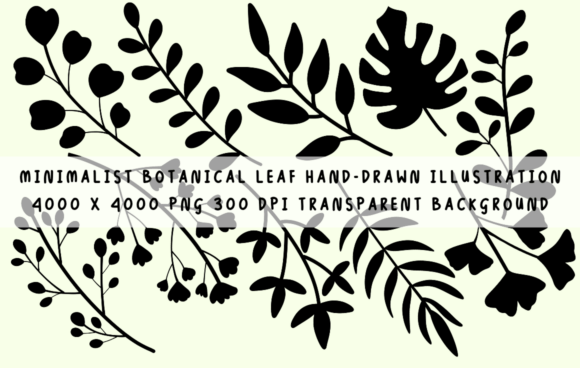
In the evolving landscape of graphic design, the choice of visual assets significantly influences the final perception of a brand or product. Minimalist Botanical Leaf Clipart has emerged as a versatile resource for designers seeking to balance organic appeal with modern simplicity. This style typically features hand-drawn illustrations reduced to solid black silhouettes, stripping away unnecessary detail to focus on form and shape. For professionals and hobbyists alike, understanding the specific characteristics, benefits, and limitations of these assets is essential before integrating them into a workflow.
Defining the Aesthetic and Utility
At its core, this category of clipart consists of high-contrast, monochromatic representations of flora. Unlike detailed botanical charts that prioritize scientific accuracy through shading and color gradients, minimalist leaf illustrations rely on negative space and clean lines. The collection often includes a diverse range of species, from lush eucalyptus branches and slender leaf sprays to exotic Monstera leaves and exquisite floral stems.
The primary value proposition lies in the authenticity of hand-drawn elements combined with the versatility of digital vector-like aesthetics. Because these images are frequently provided as high-resolution PNG files with transparent backgrounds, they function as dynamic assets that can be layered over various textures, colors, or photographs without requiring complex masking or editing.
Key Benefits for Design Implementation
When evaluating whether to incorporate these illustrations into a project, several distinct advantages become apparent:
- Scalability and Clarity: High-quality sets are often rendered at resolutions such as 4000 x 4000 pixels with a standard 300 DPI. This ensures that the solid black silhouettes maintain crystal-clear edges whether used for a small social media icon or a large-format print piece.
- Adaptability: The absence of color allows the designer to dictate the mood. A black silhouette can serve as a stark, modern logo mark or be tinted to match a specific brand palette, offering an unbounded canvas for creativity.
- Timeless Appeal: Minimalist trends tend to have longer lifespans than ornate, highly stylized graphics. These botanical forms lend an everlasting luxe touch that avoids dating a brand quickly.
- Seamless Integration: Provided in PNG format with transparent backgrounds, these assets eliminate the need for time-consuming background removal, allowing for immediate overlay on custom stationery or packaging designs.
Ideal Use Cases and Applications
Certain industries and project types align particularly well with the constraints and strengths of minimalist botanical art.
Branding and Identity
For wellness brands, lifestyle boutiques, and eco-conscious businesses, these illustrations act as ideal centerpieces for logos. The clean lines communicate purity and nature without the visual clutter often associated with traditional floral imagery. They are equally effective on business cards and social media avatars where legibility at small sizes is paramount.
Stationery and Events
The refined nature of hand-drawn silhouettes makes them a strong fit for minimalist wedding invitations, greeting cards, and custom letterheads. In these contexts, the artwork adds a layer of sophistication without overpowering the text. The contrast between the black ink and high-quality paper stock creates a tactile, premium feel that resonates with recipients.
Home Décor and Apparel
Beyond paper media, these assets translate effectively to physical products. The bold shapes work well on apparel prints, tote bags, and home décor items like throw pillows or wall art. The simplicity ensures that the design remains visible and impactful even when printed on textured fabrics.
Tradeoffs and Considerations
While the benefits are significant, a balanced evaluation requires acknowledging potential limitations. Designers must consider whether the minimalist approach aligns with their specific goals.
Lack of Color Depth: By definition, these silhouettes lack internal color variation. If a project requires a vibrant, multi-colored garden scene or realistic botanical representation, this style may feel too stark or abstract. In such cases, full-color watercolor or photographic assets might be more appropriate.
Distinctiveness: Because minimalist botanical designs are popular, there is a risk of generic outcomes if common leaf shapes are used without modification. To maintain a unique brand identity, designers should look for exclusive sets featuring unique leaf silhouettes or consider combining multiple elements to create custom compositions.
Resolution Dependencies: While many sets offer high-resolution files, users must verify the technical specifications before purchase. Using a low-resolution image for large-scale printing can result in pixelation, undermining the "clean edge" aesthetic that defines the style.
Making the Decision: Is This Right for Your Project?
Selecting the right visual assets involves matching the tool to the task. Minimalist Botanical Leaf Clipart is a strong fit if your objective is to convey elegance, simplicity, and a connection to nature through a modern lens. It is particularly valuable when working within a limited color palette or when the design needs to remain legible across various scales and mediums.
However, if the project demands high realism, intricate detailing, or a playful, colorful atmosphere, alternative illustration styles should be considered. The decision ultimately rests on the desired emotional response of the audience. For high-end labels and custom projects where a "less is more" philosophy prevails, these hand-drawn silhouettes offer a practical and aesthetically pleasing solution.
By understanding the technical capabilities—such as the 300 DPI print readiness and transparent formatting—and the stylistic implications of solid black forms, designers can confidently leverage these assets to enhance their artistic endeavors. Whether refining a logo or crafting a wedding suite, the strategic use of minimalist botanical elements can elevate a composition from standard to sophisticated.