Integrating Spring Pattern Backgrounds into Professional and Creative Workflows
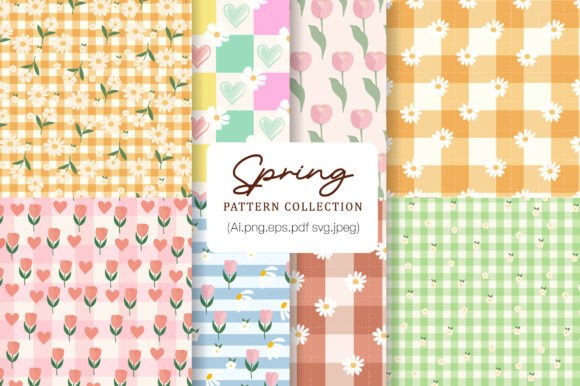
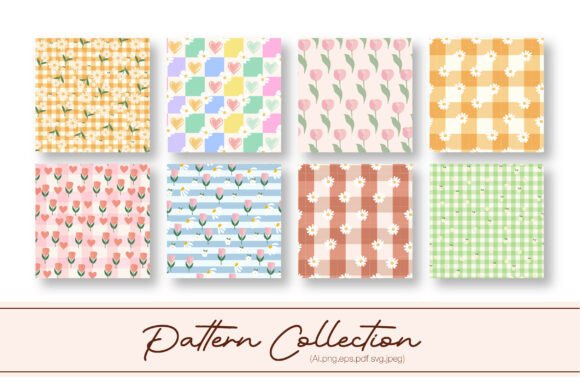
In the landscape of modern design and content creation, visual consistency is often the differentiator between a polished brand and an amateur effort. A Spring Pattern Background serves as more than just a decorative element; it is a foundational asset that can streamline production across various mediums. Whether you are developing a seasonal marketing campaign, designing a personal planner, or creating custom fabric for a small business, understanding how to integrate these patterns into your existing workflow is essential for efficiency and quality.
The utility of a spring-themed pattern extends far beyond simple aesthetics. When selected and implemented correctly, these assets reduce the time spent on background creation, allowing creators to focus on layout, typography, and messaging. The key lies in treating the pattern not as an afterthought, but as a strategic component of the project lifecycle, from initial concept to final delivery.
Strategic Placement in the Project Lifecycle
Effective use of a Spring Pattern Background begins with knowing when to introduce it into your process. Many creators make the mistake of applying textures and patterns at the very end of a project, which often leads to legibility issues or clashing color palettes. Instead, consider the pattern during the planning and wireframing stages.
Before the Design Phase: If you are working on a printed product like a planner or a set of invitations, select your pattern early. This allows you to build your color palette around the dominant hues in the spring motif—whether that be soft pastels, vibrant greens, or floral pinks. By defining these constraints upfront, you ensure that text colors and graphical elements harmonize with the background rather than competing with it.
During Production: In web design or digital graphic creation, the pattern acts as a container for your content. When using vector formats, you can manipulate the scale and opacity of the Spring Pattern Background in real-time to ensure it supports readability. For instance, a busy floral pattern might need to be faded to 10% opacity to serve as a subtle watermark behind a business card's contact information, whereas a simpler geometric spring motif might work well at full strength for a scrapbook page border.
Post-Production and Scaling: Once the primary design is complete, the seamless nature of high-quality pattern files allows for rapid scaling. If a client decides they need a larger format, such as a banner or a fabric print, a seamless pattern can be tiled infinitely without visible breaks. This flexibility is crucial for entrepreneurs who need to adapt a single design asset across multiple physical and digital touchpoints.
Maximizing File Formats for Specific Workflows
The versatility of a design asset is largely determined by the file formats available. A comprehensive collection typically includes JPG, EPS, AI, SVG, and PDF files. Understanding the specific role of each format within your toolkit prevents technical bottlenecks and ensures the highest output quality.
- JPG Files: These are best suited for immediate use in raster-based programs like Photoshop or for quick integration into web platforms where file size is a concern. They are ideal for mockups, social media graphics, and digital invitations where complex editing of the pattern itself is not required.
- AI and EPS Files: For professional printers and vector-based workflows, these are indispensable. Adobe Illustrator (AI) and Encapsulated PostScript (EPS) files allow you to edit individual elements of the Spring Pattern Background. You can change the color of specific leaves or flowers to match a brand's exact Pantone code, ensuring color accuracy for large-scale printing runs.
- SVG Files: Scalable Vector Graphics are the standard for modern web development. Using SVGs ensures that your spring patterns remain crisp on any screen resolution, from mobile devices to 4K monitors. They are lightweight and can be styled directly via CSS, offering dynamic control for web designers.
- PDF Files: These are excellent for sharing proofs with clients or sending directly to commercial print shops that require press-ready documents. PDFs preserve the vector data and font information, reducing the risk of errors during the printing process.
Having access to this diverse range of formats means you are not locked into a single software ecosystem. Whether your team uses Adobe Creative Cloud, Affinity Designer, or open-source alternatives like Inkscape, the workflow remains uninterrupted.
Application Across Industries and Use Cases
The application of a Spring Pattern Background varies significantly depending on the industry. However, the underlying principle remains the same: enhancing the user experience through thematic consistency.
Stationery and Planning: For creators of planners, journals, and binders, these patterns provide the thematic glue that ties a collection together. A spring motif can transform a standard notebook into a seasonal limited edition item. When designing stickers or scrapbook albums, the seamless nature of the pattern allows users to create custom backgrounds that fit any page size, fostering creativity without the need for advanced design skills.
Marketing and Branding: Small business owners and marketers can leverage these assets to refresh their brand identity seasonally. A coffee shop might use a spring floral pattern on their cup sleeves and loyalty cards, while a real estate agent could incorporate subtle botanical motifs into their open house flyers and letterheads. This signals freshness and renewal, psychological triggers that align well with the spring season.
Fabric and Home Decor: The transition from digital file to physical product is seamless with high-resolution vectors. Entrepreneurs in the print-on-demand space can apply these patterns to textiles for home decorative items, aprons, or tote bags. The repeatability of the pattern ensures that the design looks continuous and professional regardless of the fabric cut.
Technical Preparation and Quality Control
Integrating new assets into a workflow requires a degree of technical preparation to maintain efficiency. Before beginning a project, it is vital to organize your digital files. Unzipping the downloaded archive and sorting the files by format (JPG, AI, SVG, etc.) into clearly labeled folders saves valuable time during the design process.
Compatibility is another critical factor. Ensure your design editing program supports the specific file versions provided. While most modern software handles standard AI and EPS files effortlessly, checking for version compatibility prevents frustration when opening complex vector layers. Additionally, when preparing files for print, always verify the color mode. Screen designs typically use RGB, while professional printing requires CMYK. Vector files (AI, EPS, PDF) allow for easy conversion between these modes without losing quality, whereas JPGs may suffer color shifts if not managed correctly.
Quality control should also involve checking the "seamlessness" of the pattern. Although professional collections are engineered to tile perfectly, it is good practice to create a test tile in your software to visualize how the pattern repeats over a large area. This step helps identify any potential alignment issues before committing to a large print run or publishing a web page.
Long-Term Asset Management
A Spring Pattern Background is not a single-use item; it is a long-term asset. Proper management ensures you can retrieve and utilize these files years down the line. Tagging your files with metadata, such as "spring," "floral," "seamless," and "vector," makes them searchable within your digital asset management system.
Furthermore, consider how these patterns can be remixed. By combining a spring background with different foreground elements or altering the color palette annually, you can extend the lifespan of the original asset. This approach supports sustainable design practices, reducing the need to purchase new assets for every minor project variation.
In conclusion, the value of a Spring Pattern Background lies in its adaptability and the efficiency it brings to the creative process. By understanding the technical specifications, planning its integration early in the workflow, and utilizing the correct file formats for the intended medium, professionals and hobbyists alike can elevate their output. Whether for a corporate rebrand, a personal craft project, or a commercial product line, these patterns offer a reliable foundation for building visually compelling and cohesive designs.